
Planning a trip is getting easier. Flights, hotels and a day-by-day itinerary can be put together in moments, more and more often with the help of AI. That leaves any city or region hoping to draw visitors with a harder question: what can it offer that an algorithm cannot?
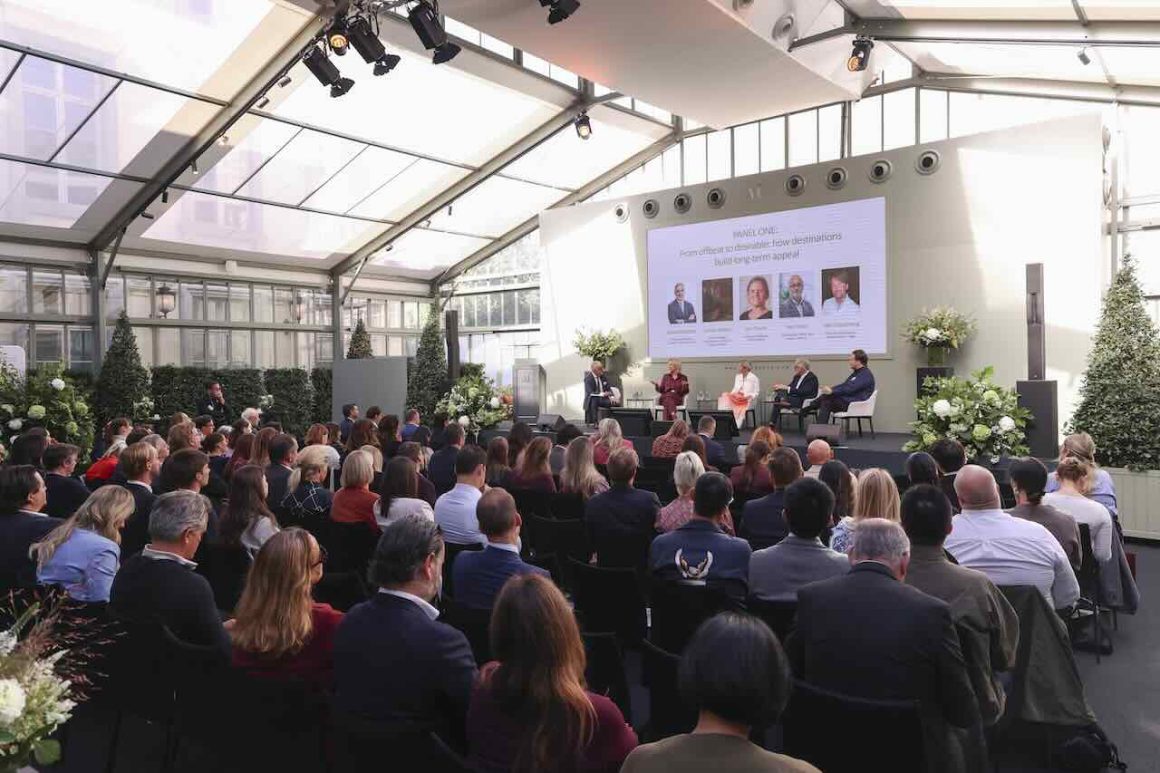
That question ran through the fourth World Tourism Day Leadership Forum, held on 23 September at The Merode in Brussels. The event was organised by The Bicester Collection, the group behind Maasmechelen Village, together with the European Travel Commission (ETC), which represents Europe’s national tourism organisations. It also marked 25 years of Maasmechelen Village, the open-air shopping village less than an hour from Brussels.
So what makes the place worth the trip? The part that can’t be planned
The opening speaker, Elena Foguet of The Bicester Collection, answered the question head on. When the planning becomes effortless, what matters is what happens once you arrive: the welcome, the person you meet, the thing you did not expect to find, the sense of being in one particular place.
Miguel Sanz, President of the ETC, added a note of caution. Europe, he said, cannot take its appeal for granted. Growth is now fastest in Asia, and as travellers turn to AI tools for ideas, being visible online matters as much as what a place actually has to offer.
“Our industry is reaching a turning point. Every business has to adapt, and there is never really an end point. But in tourism, we are leaving some of the key principles of the industry behind.”
Miguel Sanz, President, European Travel Commission
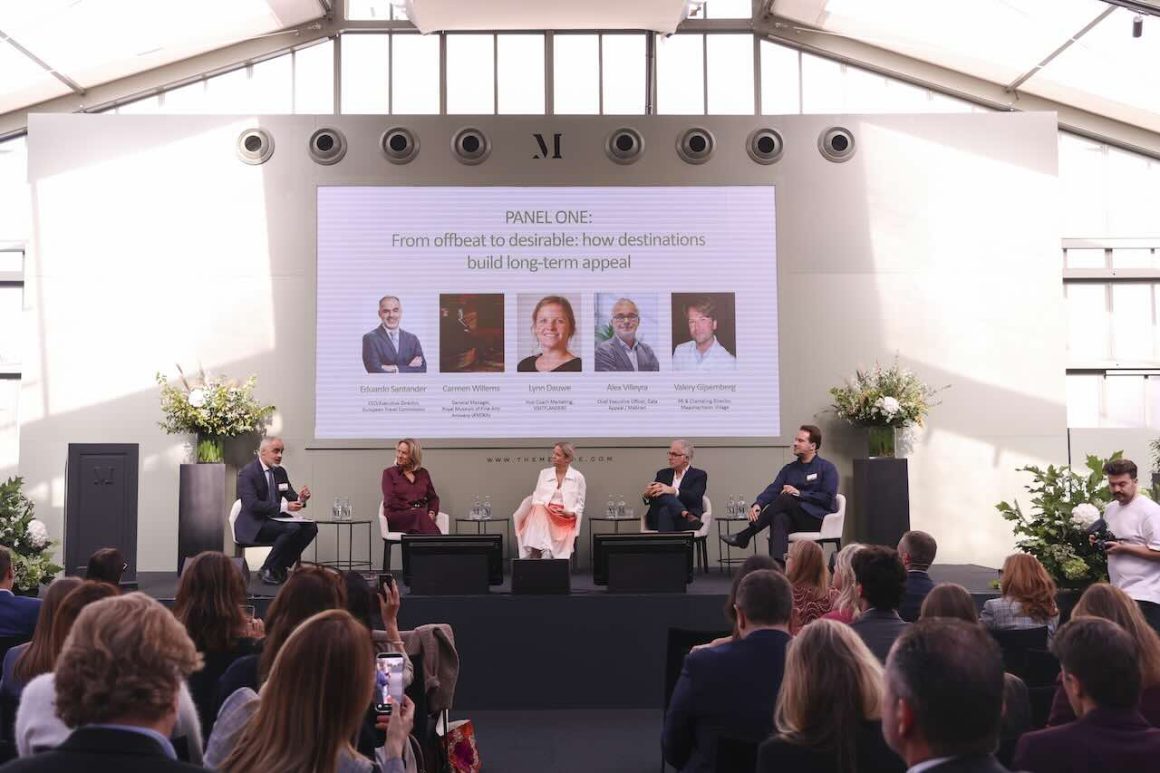
One of the growing concerns among the tourism leaders revolves around getting people beyond the same few famous spots. Speakers from the Antwerp museum, Visit Flanders and a data company shared to the same idea: a place first needs to know what makes it different, and then tell that story well. Culture was named as a strong reason to travel, with museums becoming livelier places, shaped together with their visitors.
The panel also made a point that will be familiar to anyone who has spent a good day in a city: a place is more than its list of attractions. Museums, restaurants, shops and hotels mean more when, together, they give people a reason to come. Valéry Gijsemberg of Maasmechelen Village put it simply -“Building a destination is not just about bringing premium brands together; it is about creating an experience.”
Quieter months, different places
A second discussion looked at what travellers with money to spend want now, and the answer was less about showing off. Speakers described a move towards trips that feel personal and easy to arrange, where the memory counts for more than the price.
There was also news for anyone who dislikes queues. The travel network Virtuoso reported that off-season trips in Europe are selling well, and that its advisers are suggesting alternatives to crowded places. A speaker from Rocco Forte Hotels added that responsible travel is not only about the environment, but also about the effect visitors have on the people who live where they go.
A team effort: How cities and destinations need to work together
We were especially intrigued with a conversation between Essentiel Antwerp and Maasmechelen Village on how a brand and a place can help each other. Clearly, shopping sits alongside food, hospitality and culture, and each gives one another a reason to visit. In the words of Eduardo Santander from the ETC – “Tourism doesn’t happen in isolation, it’s a team sport.”
the bicester collection
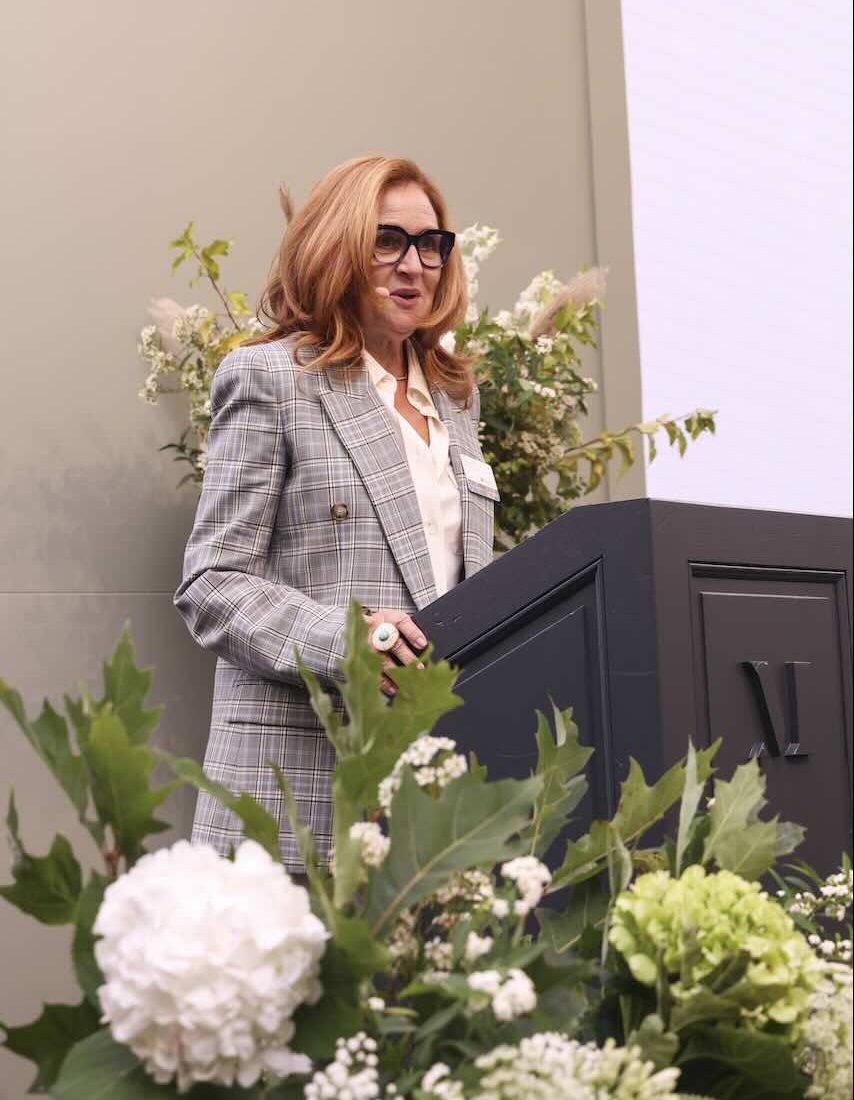
We also had a chance to ask Elena Foguet from The Bicester Collection about embedding spots such as a Maasmechelen Village into the global destination offer. Mrs Foguet emhpasized that their shopping villages do not compete with nearby cities and rather add an extra value to them – “When we design our villages, we design them as a concept of oasis, where you break your routine. That is a moment when your mind is relaxed and your are more open to experiences and living in the moment. So many customers want a different experience, to go to a place where you want to travel and have time to disconnect from your usual routine. These are the people who come to our villages. The customers that we are engaging with nowadays are people who want to know that we can provide a curated selection of brands that they cannot find anywhere else.”
Delphine Medaouri, Business Director at Maasmechelen Village, summed up the idea that framed the whole forum:
“The future of European tourism will not be won by those who attract the most visitors, but by those who create the greatest value for visitors and communities alike.”
Our main takeaways:
- Visitor numbers are only part of the picture. Why people come, and what their visit leaves behind, matter too.
- Being different counts. A place needs a clear identity and a story worth telling.
- People remember people. Technology can ease the journey, but the welcome and the unexpected moment are what stay with you.
- No one does it alone. Museums, restaurants, shops, hotels and the local community do more together than apart.
The event at TheMerode was a great exercise in tackling a rather important question that persists in the tourism and travel community: “How do we create destinations people have a reason to choose, experiences they have a reason to remember, and places they have a reason to return to?” It is a fair one to ask of Brussels too, whether you live here or are only passing through.