

As a retail design expert, I very often get asked about the ethics behind my work. Most notably, how do I feel encouraging overconsumption. And my answer is always the same: I personally aim NOT to do that!
Very early on in my career, I reflected on how I wanted to approach my work as a retail designer. Yes, retail’s aim is to sell products to customers. And yes, one of retail design’s main objectives is to create physical spaces for this purpose.
BUT… I feel it’s important to note that not all consumption is bad. In fact, commerce has existed almost as long as mankind has. People have always exchanged goods. Naturally, as we cannot provide for all our needs ourselves, exchanging goods through a commercial act has become an essential part of our daily lives. Today, it also contributes significantly to our economies. And more recently, studies have shown that retailing, especially in physical stores contributes to many people’s sense of happiness. Actually, increasingly so, as people now seek physical experiences to disconnect from online, and stores which offer opportunities to reconnect physically provide an answer to this.
I thus personally approach my work with the aim of offering customers a pleasant experience. One which will either contribute to their aspirations for a break. Or if they are in a needs-based mindset, at least to make the shopping process as seamless as possible. My personal goal is first and foremost to add value to customers. Ideally, of course, by encouraging them to make a purchase so that the retailer also benefits. But in no instance, do I aim to push customers to buy beyond their needs or wants.
Of course, it is a thin line. And one I am happy to discuss further with critics. Many of them will question how I put this in place. And my answer is three points.
First, as a freelancer I can select which retailers I work for. If I feel the company does not share my personal stand on ethical consumption, I can kindly decline the work.
Second, I try to bring change from the inside. My view has always been that I would rather stay in the game and try to improve practices, rather than let others who may not be so ethically inclined take over. As a consultant, I can (and should) encourage my retailer clients to reflect on their societal impact. As a matter of fact, I often try to subtly educate my partners on various socially conscious behaviours, be they related to sustainability or inclusion and accessibility.
Finally, I walk my talk. In my own personal life, I very much aim to be mindful of my consumption. Indeed, though I am lucky enough to be able to buy new, I make a conscious effort every day to use objects to the very end of their life. And then if possible either up-cycle, recycle or donate (if still in good enough shape but no longer of need). You’d probably laugh at seeing me in SpongeBob pyjamas bought as a teen… 25 years ago!
Just as importantly, I educate my five-year-old very specifically on circularity. We have been involved in a circular chain for children’ clothes since her birth. Meaning we hardly ever buy new clothing items for her. Just shoes and the occasional special piece. My daughter knows this and herself suggests handing clothes to the next person in the chain when they’re too small for her.
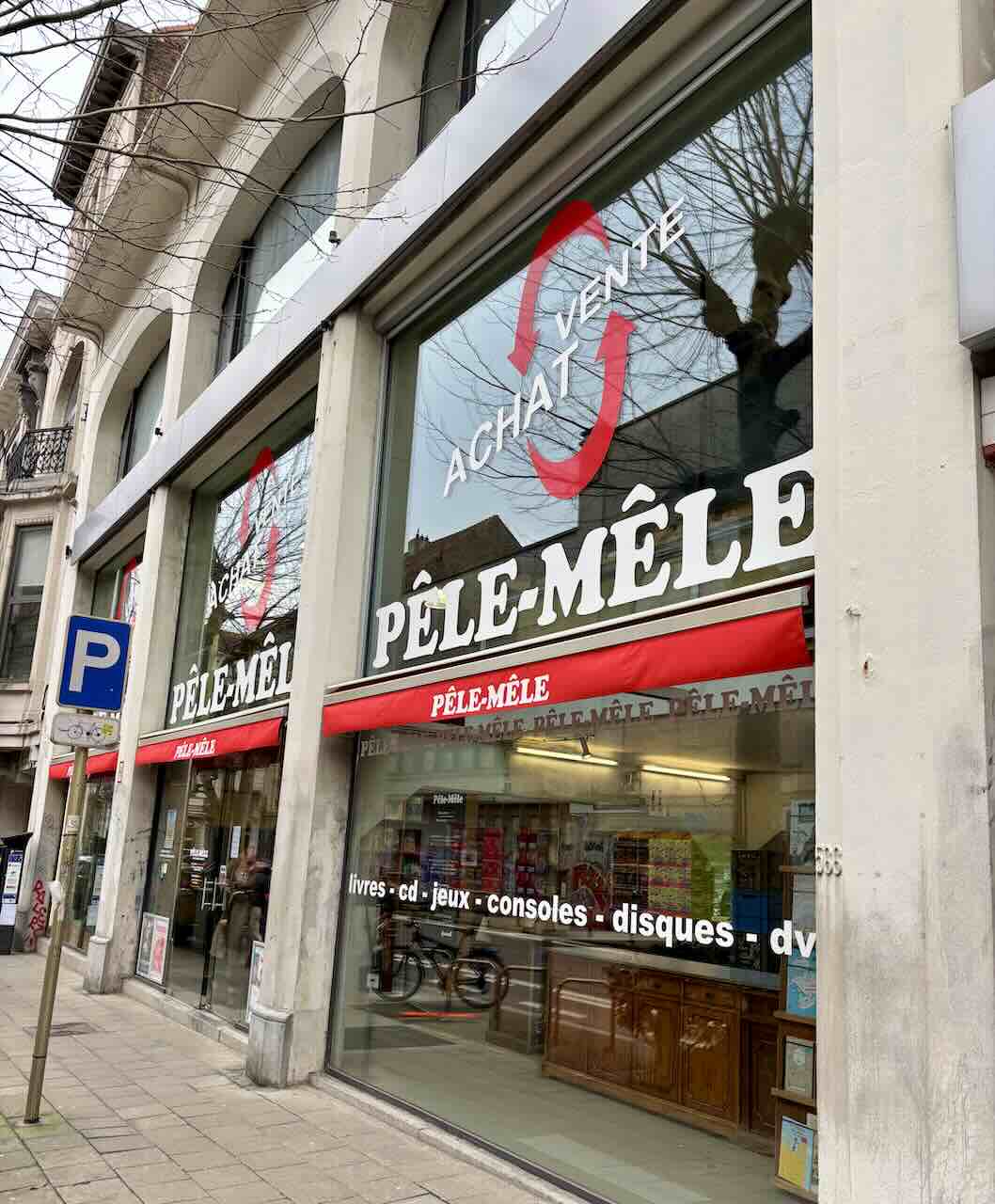
My favourite initiative, however, concerns her books and toys. We are very lucky in Brussels to have a specialty second hand store chain which not only sells but also purchases used books and toys: Magasins Pêle-Mêle.
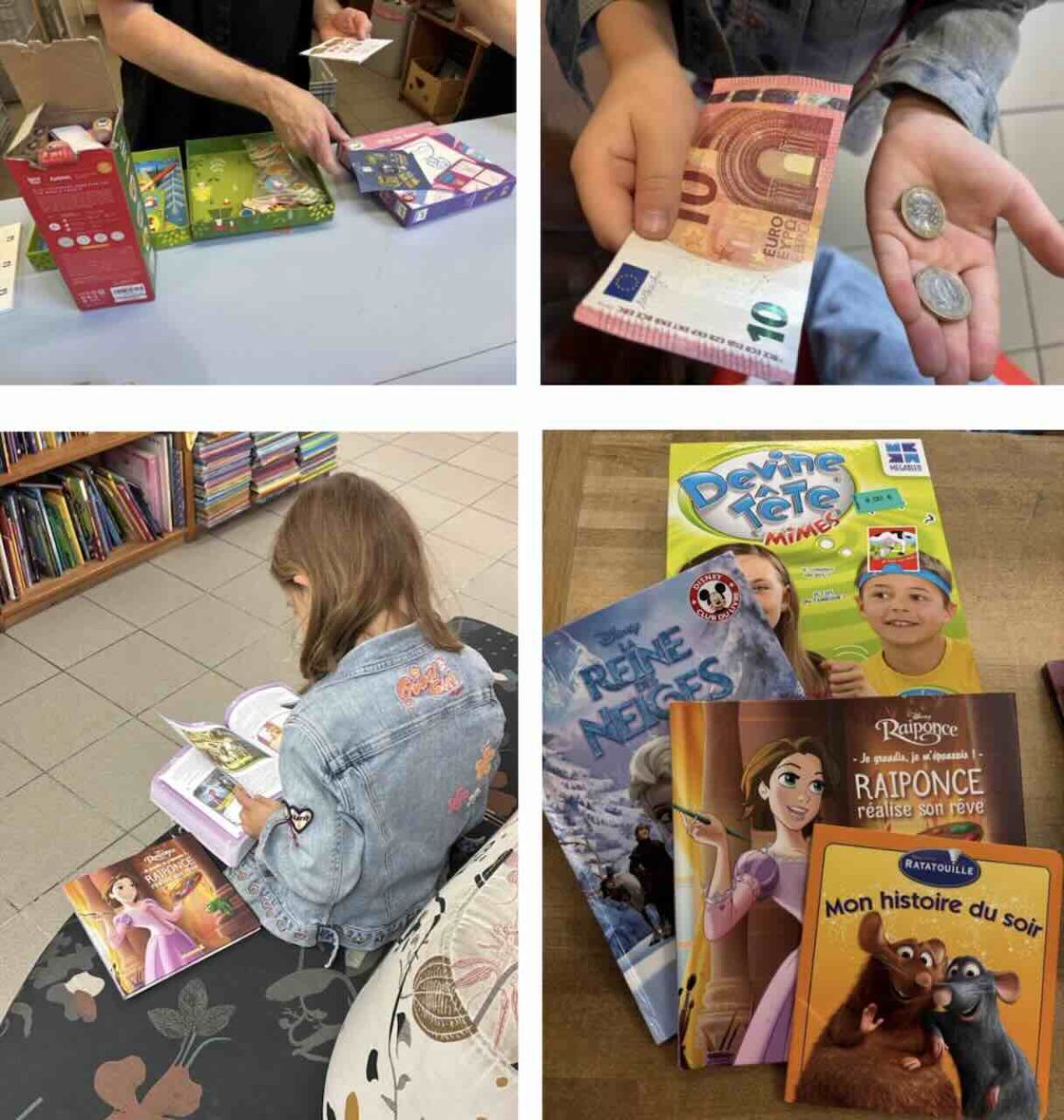
So, every so often we go through her belongings. She herself selects what she doesn’t want anymore. We bring them to the closest shop to us. What they don’t buy from her, we donate later. With the money from her sale, we go straight to the shop floor where she picks new treats. I only guide and help with the math. We make a fun morning out of it, with her really taking time to decide on her purchases.
What makes me so proud, is seeing how well all these various circular initiatives I have implemented at home have worked. A few months ago, she complained there was not enough room left in her bed for her to sleep comfortably, given the number of teddies she has accumulated over the years. Instead of the “obvious” (at least to most) reaction to take some out of her bed, she instantly said: “we’ll give away the ones I don’t need anymore to someone who will enjoy them more.”
These may all seem to be small initiatives in the grand scheme of things. But I am personally convinced that there are no small acts when they are done with good intentions, especially as regards respect for our planet and human community.
So, handing it over to you: do YOU practice circularity in your daily life and how? Or do you maybe approach ethical shopping and consumption in any other way? I would love to hear your thoughts!
Thank you for reading. I sincerely hope you enjoyed this edition of the Brussels Retail Edit. Keep an eye out next month for more Brussels retail reflections. And until then don’t hesitate to connect on LinkedIn to share feedback or visit my website to find out about my various services.